
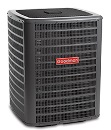
A repair that costs half of a replacement looks like a deal — until the next failure comes six months later.
The repair-or-replace decision is one of the most common questions homeowners face with aging HVAC equipment. There's no universal answer, but there are a few concrete factors that make the choice clearer.
Age of the equipment: most central AC systems last 12–17 years in a demanding climate like the Antelope Valley. Furnaces typically last 15–20 years. If your system is past these ranges, the economics of repair shift: you're investing money in a machine with limited remaining life.
The '5000 rule': multiply the repair cost by the system's age in years. If the number is over 5,000, replacement typically makes more financial sense. This isn't a perfect formula, but it's a useful starting point.
Refrigerant type: older systems that use R-22 (Freon) refrigerant are increasingly expensive to service because R-22 is no longer manufactured in the US. If your system uses R-22 and needs a refrigerant charge, that's a strong signal to price out a replacement.
Energy efficiency: a 10-year-old system in the Antelope Valley is likely running at 10–13 SEER efficiency. Modern units run at 16–20 SEER. The energy savings on a high-usage desert home can pay back part of the replacement cost over time.
What a good contractor should tell you: an honest diagnostic report states exactly what's wrong, what it costs to fix, and what the remaining life of the system is likely to be. If a contractor pushes replacement without explaining the diagnosis, ask for the written report first. Financing on replacements starts from $89/mo.

Pick a time that works, tell us what is going on, and we will confirm your arrival window. No phone tag.
Trouble with the form? Open it in a new tab or call (661) 464-1747.